

Fresh Breath Month has traditionally focused on managing bad breath through microbial control and hygiene-based interventions. In 2026, it presents an opportunity for the oral healthcare industry to elevate the conversation, shifting from short-term fixes to biologically sound, ethically responsible approaches that support long-term oral and systemic health.
For dentists, oral hygienists, educators and industry partners, Fresh Breath Month should serve as a platform to promote best practice, clinical credibility and evidence-based decision-making, grounded in an evolving understanding of the oral microbiome.
From eradication to equilibrium
The historic approach to fresh breath has often centred on antimicrobial “kill-all” strategies and odour masking. While these may provide temporary results, emerging research confirms that indiscriminate bacterial removal can disrupt the oral ecosystem, delay healthy recolonisation and favour opportunistic pathogens.
The modern paradigm reframes fresh breath as a function of:
The key insight is clear: removing what matters is about disrupting the harmful ecosystem, not sterilising the mouth.
Fresh breath is therefore not about eliminating bacteria, but about cultivating a healthy, resilient oral microbiome.

Why microbiome preservation matters
The oral microbiome performs essential biological functions that extend well beyond breath quality. These include:
As a highly adaptive and context-dependent system, the oral microbiome relies on balance. Broad antimicrobial approaches risk removing beneficial species, impairing recovery and contributing to dysbiosis, with implications for periodontal health, bad breath recurrence and systemic inflammation.
Clinically responsible care therefore prioritises selective disruption of pathogenic biofilm while preserving structurally and biologically valuable tissues and microbial communities.
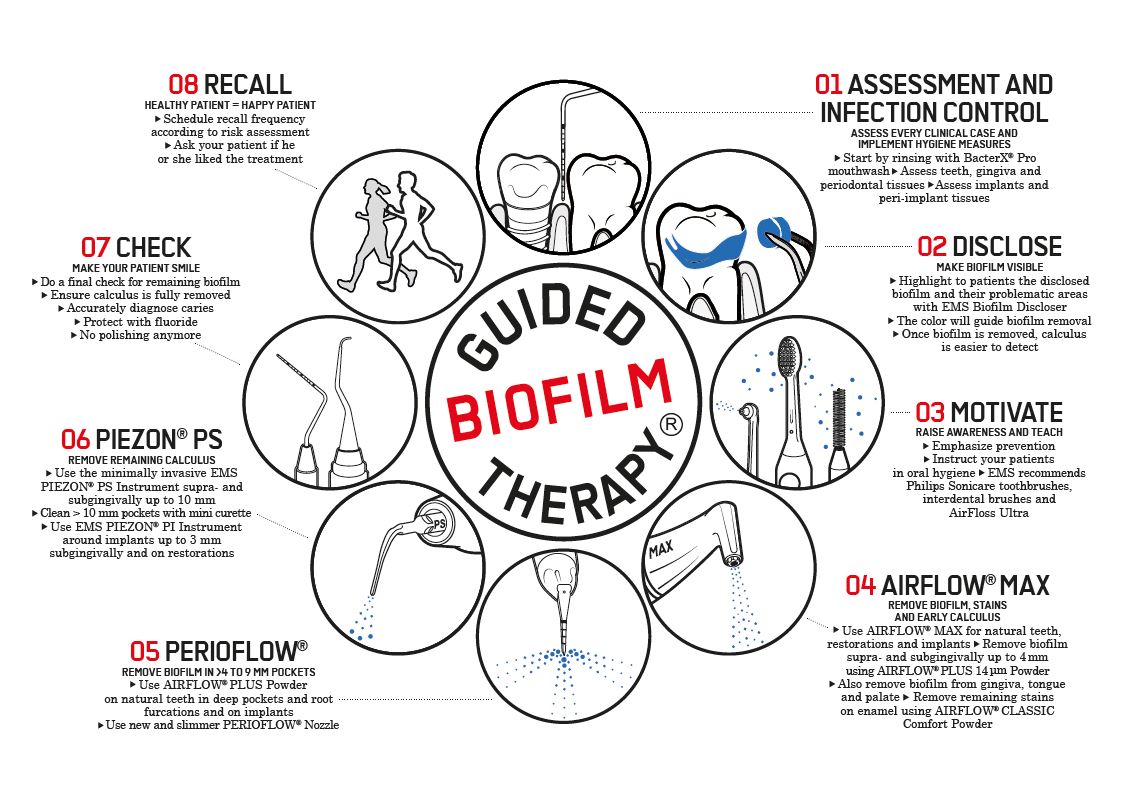
The role of Guided Biofilm Therapy (GBT)
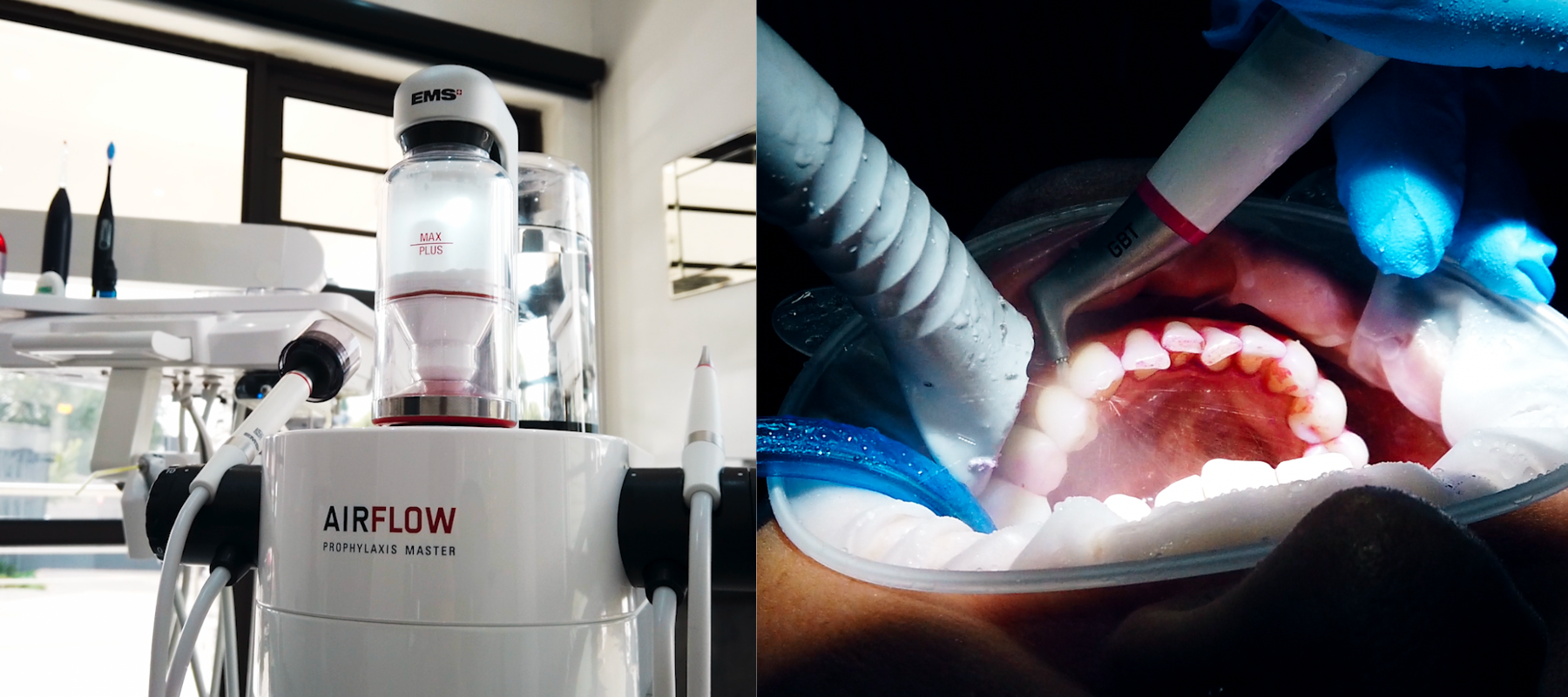
EMS Guided Biofilm Therapy (GBT) exemplifies this biologically aligned approach. Built on the principle of “remove what is biologically harmful, preserve what is structurally and biologically valuable,” GBT supports ecological biofilm management rather than aggressive debridement.
GBT is particularly relevant in the context of fresh breath management because:
Clinically, GBT has been shown to improve immediate breath quality, enhance patient perception of cleanliness and comfort, and support higher compliance with ongoing preventive care.
Alignment with modern dental principles
Within a Fresh Breath Month framework, GBT aligns strongly with:
By supporting microbial balance rather than disruption, GBT reflects the future direction of evidence-based dentistry.
Factors that influence oral microbial balance
Professional care must be supported by informed patient behaviour. A healthy oral microbiome is influenced by the following factors:
These behaviours empower patients to support long-term oral and systemic health.
Looking ahead
As research continues to deepen our understanding of the oral microbiome’s role in inflammation, cardiovascular health and systemic wellbeing, the message for Fresh Breath Month is clear: the future of dentistry is not about doing more, it’s about doing what matters, better.
Fresh breath is not a cosmetic endpoint. It is a clinical indicator of balance, health and responsible care.
From #ChairToCare, this is how long-term oral health is built.